Boards
 Scooters
 Skates
 BMX
BMX Winter Sports
 Apparel
 Surf
Surf On Sale


Wheel terms explained
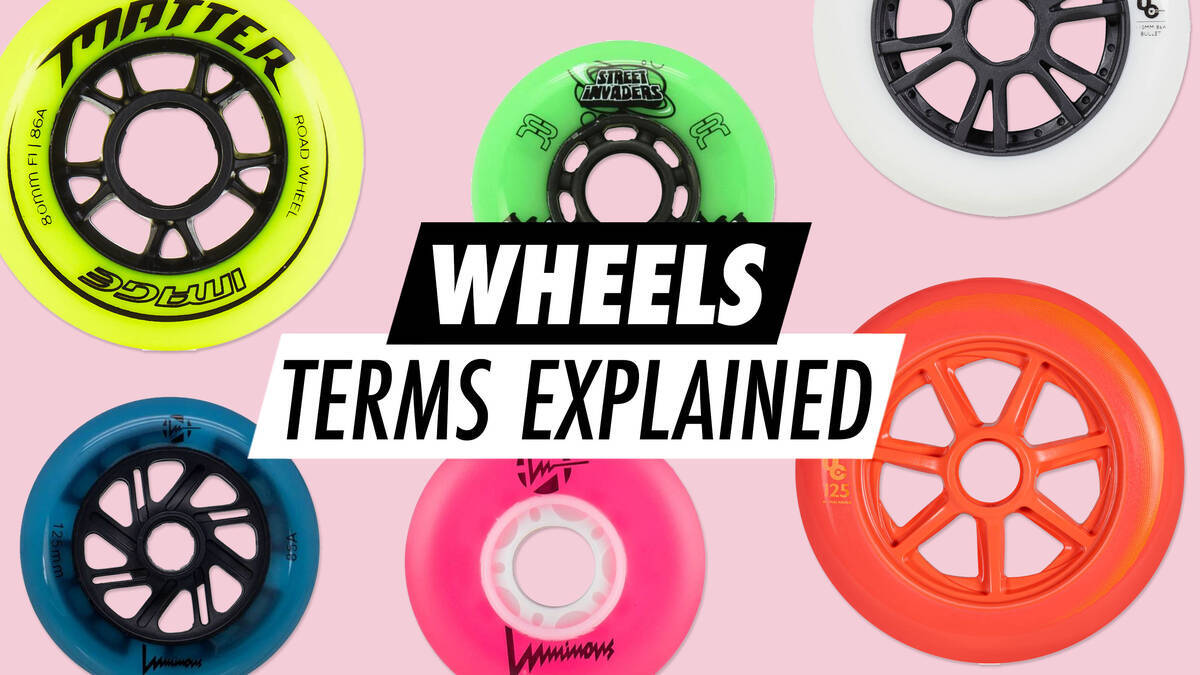
Most wheels are made of polyurethane. All inline wheels have a standard width of 24 mm, making it easy to change your wheels.
The characteristics of wheels are the diameter, durometer, rebound, grip, profile, wear, hub and weight. A detailed description of all these terms can be found in this guide.
Diameter
The diameter of the wheel is given in millimetres (mm). Usually, this number can be read directly from the wheel or it can easily be measured.
The diameter of the wheel has relevance for the behaviour of the wheels, such as acceleration vs. speed, manoeuvrable vs. direction stability. The range of diameter for different wheel type and its relevance can be seen here:
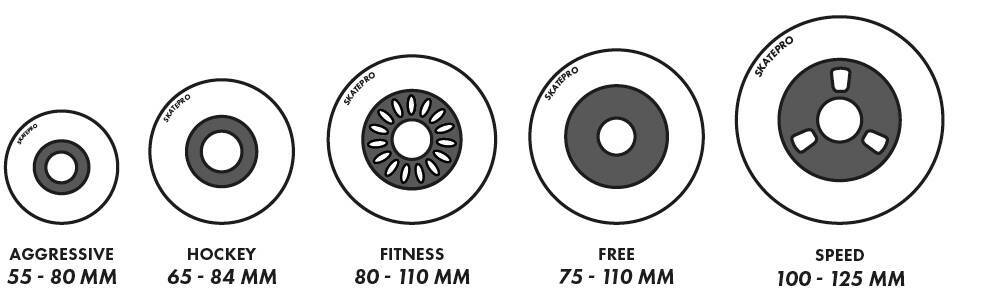
- Better acceleration vs. higher speeds
- More control vs. higher direction stability
Durometer
This term is the relative hardness of the wheel and is described by an A-number. 100A is very hard, and 0A is soft.
The durometer of the wheel has relevance for how well shocks are absorbed and for the grip. But also wear and speed depends on the durometer. The range of durometers for different wheel types and its relevance can be seen on this figure:
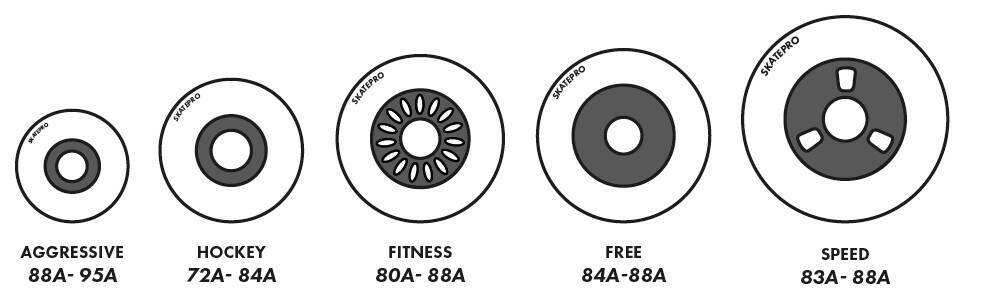
- Better grip vs. longer wear
- Lower body weight vs. higher body weight
- Shock absorbing vs. higher speeds
Durometer alternatives
There are other ways to measure the wheel hardness, some brands use their own scale. I.e Matter wheels from the USA uses the Footprint scale, the F0 stands for footprint 0.
- F0 - equals approx. 88A
- F1 - equals approx. 85A
- F2 - equals approx. 84A
- F3 - equals approx. 83A
Durometer A is softer than the Durometer B scale, B is very near to Plastic/Nylon.
Rebound
One of the important factors for how fast you can roll. The rebound is a term for how much force you will be pushed forward with each stroke (the response of the wheels). Sadly the rebound factor is never given for wheels, it also depends very much on the material of the wheel. A high rebound is usually one of the characteristics of expensive quality wheels. Lots of manufacturers call their high rebound wheels SHR urethane. Super High Rebound.
Grip
The grip is very important for speed and hockey, where a good grip allows you to stop quickly and turn fast corners. The grip depends on the material of the wheel and its durometer. But also the type of surface (asphalt, track, indoor, wet conditions) is very important, and the best skaters often bring wheels with different grip to different surfaces.
Profile
The cross-section of the wheel is named the profile. A narrow profile results in little road contact and higher speed, but a wide profile results in more road contact and more control. See the typical profiles for different wheel types:

- Aggressive, flat profile, small diameters, very high control
- Hockey, rounded profile, high control
- Fitness, narrow profile, all-rounder
- Speed, narrow profile, large diameters, high speed orientation
Wear
The wear of the wheels naturally depends on the durometer and diameter of the wheel, but it depends even more on the quality of the polyurethane, the rubber on the wheel. For hockey use, it is important to get a good quality, if not you risk to wear out your wheels in a few hours.
Hub
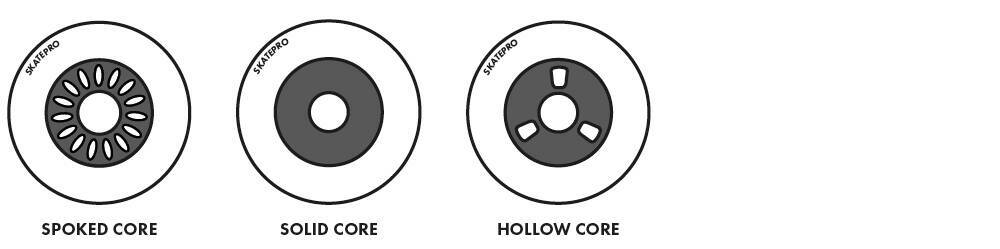
The core of the wheel is the hub. The hub is centred in the wheel and keeps the bearings positioned. The material is usually hard plastic or aluminium, and for the best performance, it needs to be strong and light. There are different hubs, which differentiate in stability and weight.
Solid core wheels have a massive core and are therefore very strong. Spoked core wheels are a lot lighter, but not as durable as solid core wheels. Hollow-core wheels are a compromise between lightweight and durability (not as strong as solid core).
Weight
The weight of the wheel is also important for how fast you can go. Lower weight means you need less force to make the wheels rotate.
Related products

Rollerblade Inline Skate Wheels 8-Pack
62,95 € 48,95 €
K2 Booster Inline Skate Wheels 8-Pack
69,95 € 59,95 €
Powerslide One Inline Skate Wheels 8-pack
43,95 €
FR Skates Street Invaders Inline Skate Wheel 4-Pack
29,95 €
Undercover Blank Team Wheels 4-Pack
44,95 € 43,95 €
Seba Luminous LED Inline Skate Wheels 4-Pack
29,95 €
Supreme Venice Inline Skate Wheels 4-Pack
17,95 €
USD Team 20 Years 4-Pack Rollerblade Wheels
24,95 €
Tempish Woow Wheels 4-Pack
26,95 €
Tempish Catch Inline Skate Wheels 4-Pack
13,95 €
Gyro Free Ride F2R Inline Skate Wheels 4-Pack
24,95 €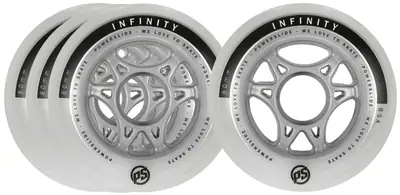
Powerslide Infinity Inline Skate Wheels 4-Pack
29,95 €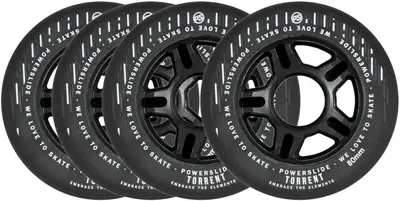
Powerslide Torrent Rain Inline Skate Wheels 4-pack
36,95 €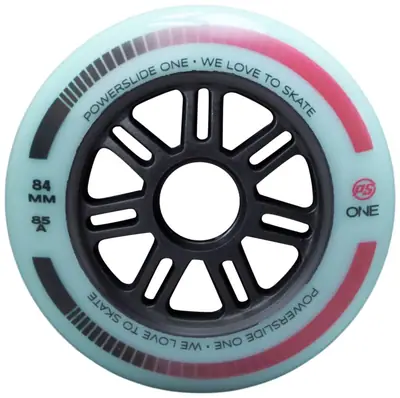
Powerslide One HR 84mm Inline Skate Wheel
6,95 € 5,95 €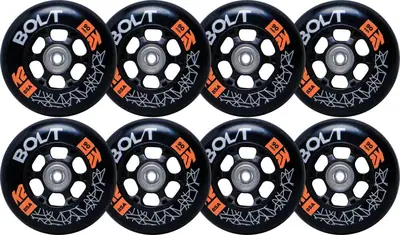
K2 Bolt 90mm 8-Pack Inline Skate Skates Wheels
124,95 € 79,95 €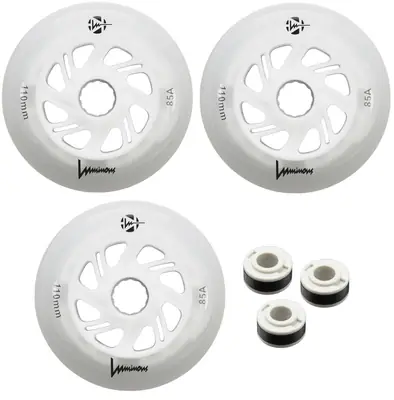
Seba Luminous LED Inline Skate Wheels 3-Pack
35,95 €
Anarchy Chaos Aggressive Wheels 4-Pack
23,95 € 21,95 €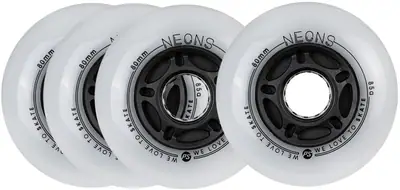
Powerslide Neons Inline Skate Wheels 4-Pack
32,95 €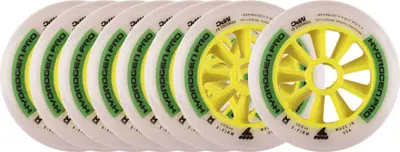
Rollerblade Hydrogen Pro Inline Skate Wheels 8-Pack
199,95 €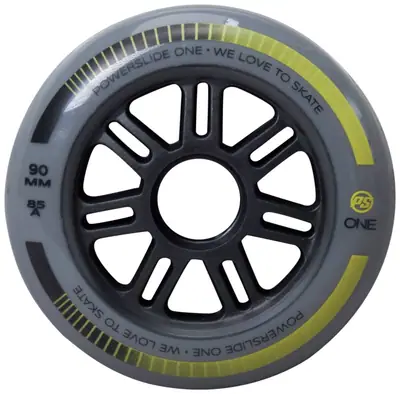
Powerslide One HR Inline Skate Wheel
6,95 € 5,95 €
Iqon Access Inline Skate Wheels
29,95 € 21,95 €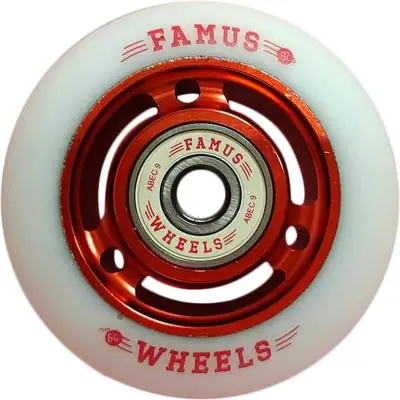
Famus 64mm Aggressive Inline Wheel
13,95 € 12,95 €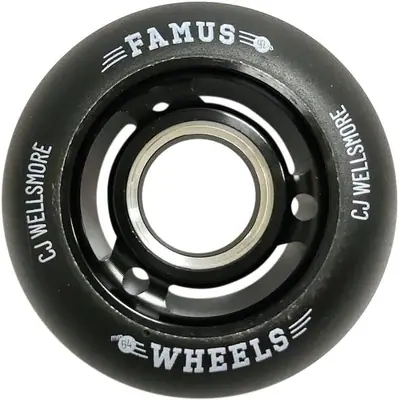
Famus CJ Wellsmore Aggressive Inline Wheel
11,95 € 7,95 €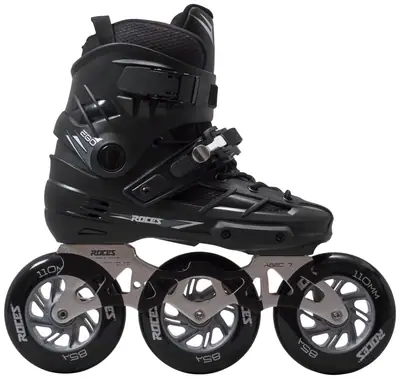
Roces EGO 3x110 TIF Inline Skates
199,95 € 179,95 €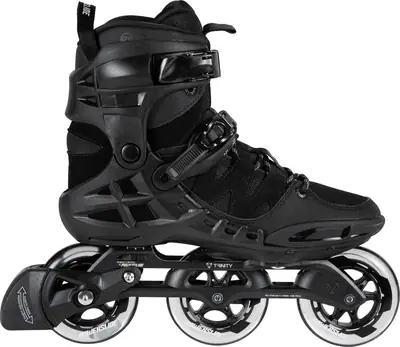
Powerslide Phuzion Argon 100 Inline Skates
199,95 € 169,95 €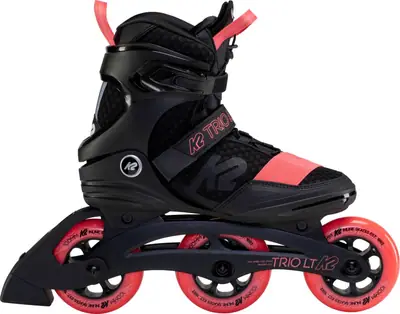
K2 Trio LT 100 Women Inline Skates
199,95 € 169,95 €
Famus 60mm Aggressive Inline Wheel
11,95 € 9,95 €